
この記事を監修した人

Kazu
OwlOptical代表。
かつては大手スノーボードメーカーに勤務し、現在もスノーボードインストラクターの資格を保有するスノーボード愛好者。2022年に楽天市場で自らのスノーボードショップを開業後、業界の古い商習慣に違和感を感じ、雪山の楽しさを伝えるために、高品質で適正価格の商品を提供するブランド「OWL optical」を立ち上げる。


Are you looking for snowboard goggles that won't fog up?
Snowboard goggles are an important part of keeping you safe and comfortable on the slopes, ensuring visibility even in bad weather and protecting your eyes from snow and wind.
It also reduces the strong reflected light from the snow surface on sunny days, protecting you from any accidents that may occur.
Many of the latest goggles are equipped with anti-fog features, but changes in humidity and temperature while skiing can sometimes cause the goggles to fog up.
By fully understanding the characteristics of anti-fog goggles and choosing the right pair for you, you can reduce fogging and maintain clear vision for longer.
In this article, we will introduce measures to reduce fogging and recommend anti-fog products.
Choosing the right goggles and using anti-fog coating are essential for a safe and enjoyable snowboarding experience. This article was written by Naraoka, who runs a snowboarding e-commerce site and is an experienced snowboarder himself.

The main causes of fogging up snowboard goggles
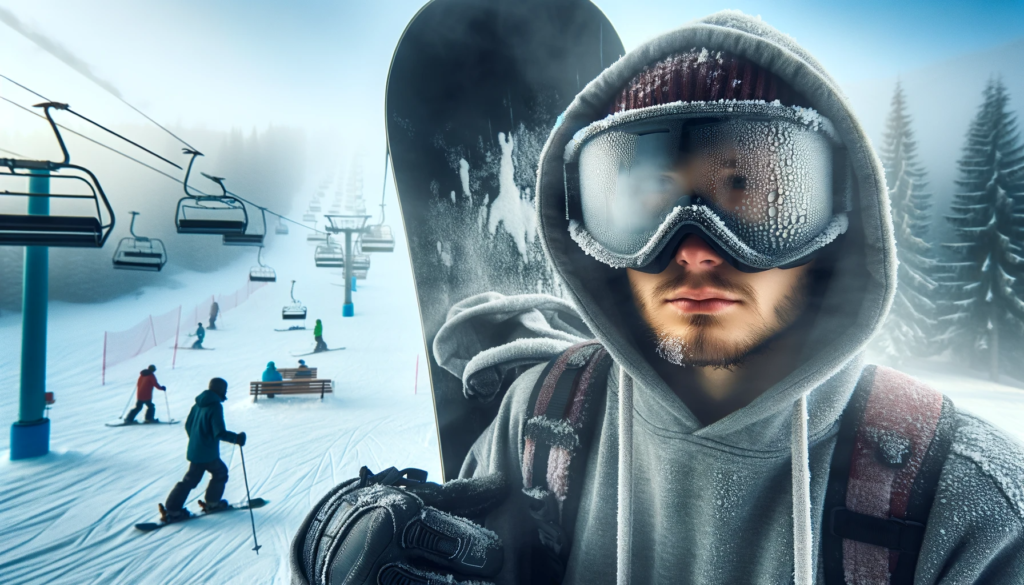
First of all, why do snowboard goggles fog up?
There are three main causes:
- Temperature difference inside the goggles
- Deterioration of coating agent
- Poor fit to the face
I will explain each one.
Reasons why snowboard goggles fog up: 1. Temperature differences inside the goggles
The main cause of fogging in snowboard goggles is the temperature difference between the inside and outside of the goggles. The inside of the goggles is heated by body heat, and the humidity increases due to small amounts of sweat from the skin, which warms the air inside.
Meanwhile, the outside of the lens is cooled due to the low outside temperature. This temperature difference turns the water vapor inside the lens into droplets, which condense and cause fogging that obstructs visibility. This is similar to the phenomenon that occurs when car windows fog up due to a reaction between the heated interior and the cold air outside.
Also, if snow gets inside your goggles, the humidity will increase and the same problem will occur.
Furthermore, if the air holes on the outer frame of the goggles are blocked with a face mask or something similar, moisture will not escape and will remain trapped inside, causing fogging.
To prevent this, it is important to keep your goggles breathable and regularly wipe off any snow or moisture that may have accumulated. By keeping these knowledge and precautions in mind, you can expect to have a good snowboarding experience with good visibility.
Reason why snowboard goggles fog up 2. Deterioration of coating
Anti-fog coating on ski and snowboard goggles is an important feature to ensure clear vision.
New goggles usually come with this coating, but depending on how you use them, the effectiveness of the coating may weaken or the coating may peel off.
For example, if you fall and your goggles get wet, you might wipe them off with a tissue or towel. When wiping wet lenses, it is recommended to use a soft cloth to avoid damaging the anti-fog coating.
If the coating has already deteriorated, using an anti-fog spray can be an effective temporary solution.
However, this is not a fundamental solution, and you will need to consider regular repairs to the coating and eventually replacing your goggles.
Maintaining anti-fog coating is an essential measure to ensure comfortable vision and enjoy sports safely.
On sunny days, you should consider wearing sunglasses to avoid the haze that can cause them to fog up, but it's important to choose sunglasses made of a soft material to reduce the risk of injury.
Reason 3 why snowboard goggles fog up: Poor fit
One of the reasons snowboard goggles fog up is when they don't fit your face properly. If there's a gap between your face and the goggles, snow from the outside and moisture from your breathing can get in, making the lenses more likely to fog up.
When choosing spherical lens goggles, it is important to choose a model that fits your face well.
In particular, Asian fit models and domestic brands are suitable for Japanese facial features and are effective in preventing fogging.
Choosing the right goggles to fit your nose and face shape is key to maintaining clear vision.
How to choose anti-fog board goggles
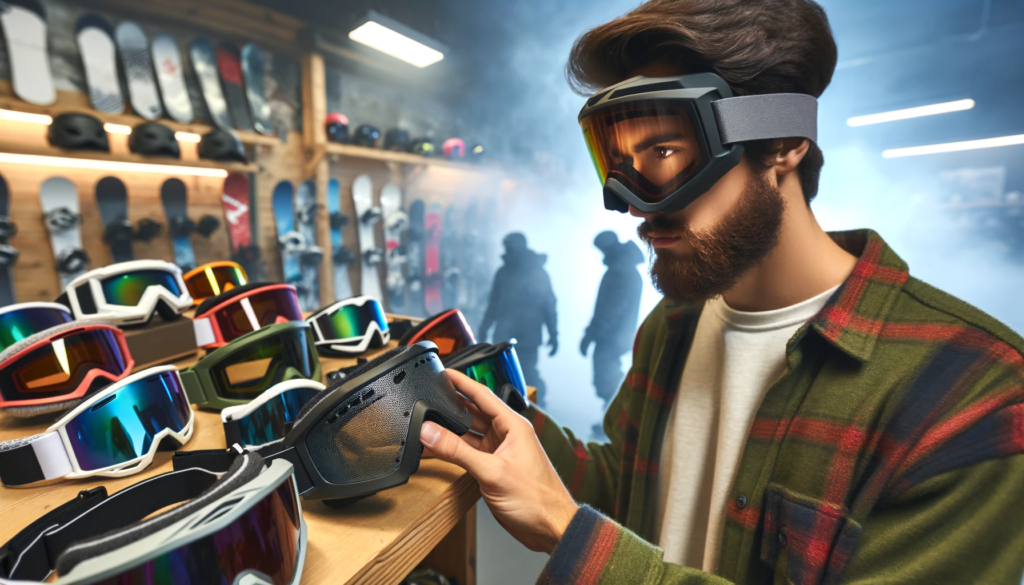
How to Choose Anti-Fog Goggles 1. Choose Double Lenses
A very important point when choosing snowboard goggles is choosing "double lenses."
Double lenses have two lenses stacked on top of each other, creating a layer of air between the lenses and preventing condensation caused by temperature differences between the inside and outside.
This air layer acts as a temperature regulator and effectively prevents the inner lens from fogging up.
Most commercially available goggles use this double lens structure, and it is almost standard equipment for mid-range models and above.
Double lenses are less likely to fog up than single lenses, so they are recommended for a wide range of skiers and snowboarders, from beginners to advanced skiers.
However, even double lenses can become cloudy if used improperly.
For example, be careful not to touch the lenses with wet gloves or hold the goggles over your head to absorb sweat, as this can easily cause condensation.
When purchasing goggles, it is important to check not only the price but also the lens type. While some inexpensive goggles have single lenses, you should choose a double-lens model to prevent fogging.
The price may go up, but the benefits of maintaining a comfortable field of vision are great.
You will notice the benefits of double lenses, especially when using them for long periods of time or when moving around vigorously.
How to Choose Anti-Fog Goggles 2. Check the Anti-Fog Treatment and Function
When choosing snowboard goggles, it is important to choose ones that are designed to be anti-fog.
To improve the anti-fog functionality, lenses with an anti-fog coating are recommended.
The anti-fog coating on the inside of the lens prevents moisture from adhering and maintains a clear view.
On the other hand, there are also goggles that make full use of technology.
Models that use a built-in fan to expel moisture and prevent fogging, and smart goggles that use humidity sensors to detect conditions and operate automatically, are ideal for users who want a more active approach.
Additionally, goggles with an electric heating function heat the lenses to prevent condensation, but it's important to note that they tend to be more expensive.
Furthermore, higher-end models incorporate turbofans and air circulation systems, which, although more expensive, ensure clear visibility in all conditions.
Goggles equipped with heat lenses in particular offer excellent anti-fogging properties.
These features make them more expensive than regular goggles, but you'll realize their value through experience.
When purchasing, check whether the goggles have ventilation in the frame and what type of anti-fog coating is applied to the lenses.
It is important to properly handle anti-fog lenses without touching them to maintain their effectiveness over the long term.
Cheaper goggles often omit these features, so it's important to find the right balance between quality and price.
How to choose anti-fog goggles 3. Focus on how well they fit your face
When purchasing snowboard goggles, make sure they fit snugly on your face.
If there is a gap between your face and the goggles, cold air or snow can get in, causing humidity inside the goggles to increase and leading to fogging.
Try them on and choose one that fits snugly around your forehead, nose, and cheeks.
In particular, the Asian fit model, which is made for Asians whose face shapes are different from those of Westerners, is designed to fit the Japanese skeleton and provides a different fit.
It is important to choose goggles that fit well around the forehead and nose, preventing wind and snow from entering while not making you feel suffocated.
The fit of your goggles is an important factor in enjoying snowboarding safely and comfortably.
When trying it on, make sure it fits snugly and doesn't feel too tight on your face.
To ensure safe and clear vision, choosing goggles that are of high quality and fit well is the shortcut to a fog-free skiing experience.
How to Choose Anti-Fog Goggles 4. Choose Spherical Lenses
For snowboarding enthusiasts, spherical lens goggles offer improved performance.
This type of lens has a spherical shape that conforms to the eye, providing a natural sense of distance that is similar to what the naked eye sees.
This reduces visual distortion and improves terrain awareness while gliding.
On the other hand, the spherical lens's shape allows for good internal air circulation, preventing internal fogging caused by sweat or moisture.
You will feel the effects especially on active days or in hot environments.
They are also recommended for protecting your eyes in the event of a fall, as they are hard and impact resistant.
Although they are more expensive than flat-lens goggles, their long-term durability makes them well worth the investment.
However, this may narrow your field of vision, so it's important to try them on before purchasing to ensure the field of vision is wide and lens distortion is minimal.
Furthermore, the lens surface is easily scratched, so care must be taken when storing and handling.
With proper care, you can enjoy clear vision for a long time.
What to do if it gets cloudy
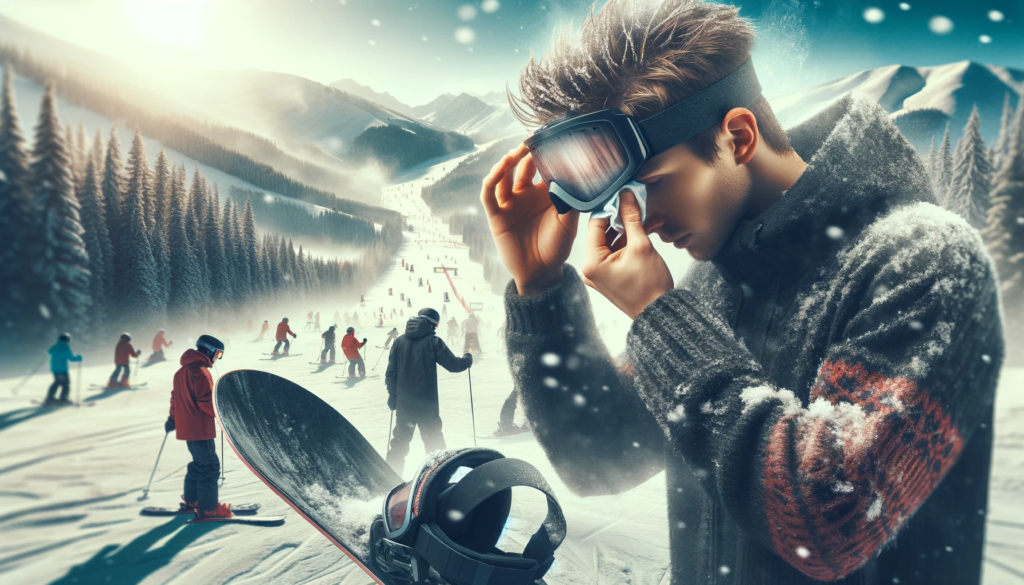 While fogging of snowboard goggles is sometimes unavoidable, taking the right precautions can help keep your vision clear.
If your goggles get wet or snow gets inside while skiing, moisture will accumulate inside and cause fogging.
This moisture can cause fogging due to the temperature difference with body heat, so it is important to dry it quickly.
The best way to dry them is to remove the lenses from the goggles and let them air dry.
If this method is too much trouble, simply remove the goggles from the case and place them in a well-ventilated area.
However, if the lens or internal sponge is damp, remove these as well and allow them to dry.
Please note that wiping with tissue or rough towels or drying with a hair dryer can damage the lens coating.
The safest option is to let it air dry, which will prevent the coating from peeling.
If fogging does occur, the key to preventing re-fogging is to remove moisture not only from the lenses but also from inside the goggles.
With proper care, you can maintain comfortable vision and enjoy snowboarding.
Types and effects of anti-fog
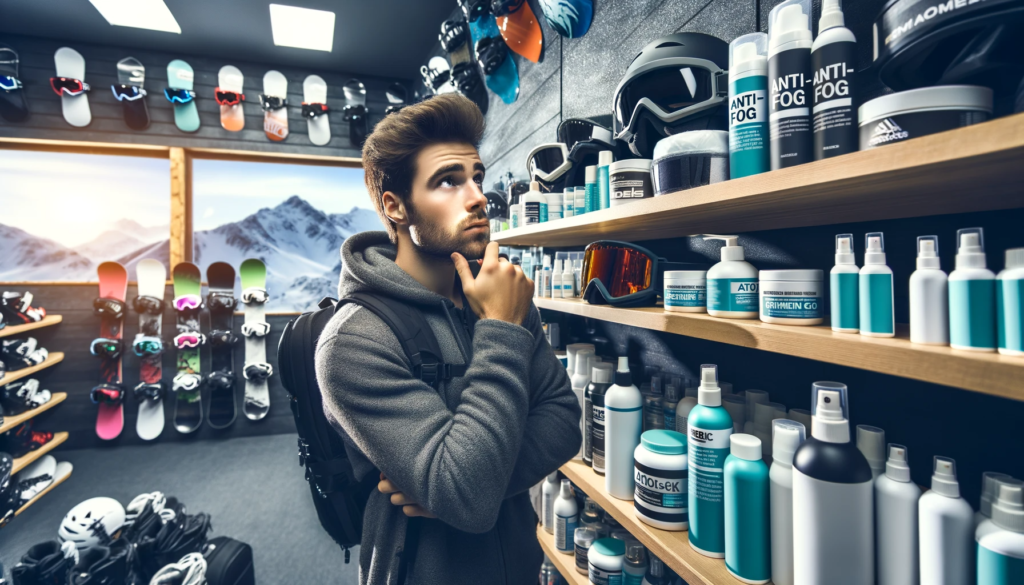 So far, we have introduced snowboard goggles that are less likely to fog up, but from here on we will introduce anti-fog products that are effective in maintaining visibility in snowboard goggles.
Many new goggles come with built-in anti-fog protection, but this effectiveness diminishes over time.
Therefore, using anti-fog products on the lenses of your goggles can prevent water droplets from spreading on the surface of the lenses.
Regular use of anti-fog glasses is especially important when skiing on snowy mountains where visibility is vital.
Carrying anti-fog with you will allow you to quickly deal with sudden poor visibility, ensuring a safe and enjoyable ride.
The likelihood of fogging varies depending on the weather and temperature, so we recommend using anti-fog products to maintain your goggles in advance so that they can be adapted to various conditions.
Here we will introduce the three most common types of anti-fog products.
Anti-fog type 1. Spray type anti-fog
Spray-type anti-fog products are extremely easy to use among anti-fog products for snowboard goggles.
The major advantage of the spray type is that it allows the agent to be applied quickly and evenly to the surface of the goggles, and it is easy to use even when wearing gloves.
For snowboarding, which is often done in cold climates, spray-type devices that can be operated even while wearing gloves are particularly useful.
However, safety precautions are required when using gas-based spray cans.
It should not be used near heat sources, and there are restrictions on carrying it on airplanes, so it may not be suitable for travel.
Mist-type sprays are safer and easier to move around because they do not use gas.
New goggles often come with an anti-fog coating, and using the wrong anti-fog coating can damage this coating and cause fogging.
For this reason, spray-type anti-fog products are especially suitable for older goggles that have lost their functionality.
When considering use on the slopes, the spray type has the advantage of being easier to use than the bottle type.
It can be difficult to get the right amount out of a bottle, but a spray bottle makes it easy to apply to a specific area.
This convenience directly translates into a comfortable and safe riding experience, so spray-type anti-fog is recommended by many snowboarders.
Anti-fog type 2. Gel type anti-fog
Gel-type anti-fog coatings are highly durable and are especially effective during long rides.
This is because gel-type anti-fog products are highly viscous and more likely to remain on the lens surface than liquid spray types.
This prevents the agent from evaporating and keeps the lens from fogging for a long period of time.
When applying the gel, use the right amount and spread it evenly over the lens surface to get the best results.
It also takes a little longer to apply than a spray type.
However, once applied, it does not need to be reapplied frequently and maintains a comfortable view.
Gel-type anti-fog is recommended for snowboarders due to its long-lasting properties, especially in colder conditions and during longer sessions.
When using this type of goggle, it is important to check the goggles' instruction manual and choose the right product to avoid damaging the existing coating.
When used properly, gel-type anti-fog can go a long way in maintaining clear vision during extended outdoor activities.
Anti-fog type 3. Mousse-type anti-fog
Mousse-type anti-fog products have the advantage of reducing dripping and splattering when applied to goggle lenses.
Unlike liquid sprays, the mousse reduces the risk of adhesion to goggle frames and bands, improving ease of use.
This makes the goggles easier to maintain, especially in harsh winter conditions, and also makes them suitable for first aid while wearing them.
In addition, thanks to its foaming properties, the mousse type spreads easily evenly over the lens surface, allowing for clear vision to be maintained for a long period of time after application.
It is highly safe even in outdoor environments where open flames are commonly used, making it suitable for carrying with you when doing activities other than snowboarding, such as camping or barbecues.
As such, the ease of application, safety and long-lasting nature of mousse anti-fog products make them a reliable choice for winter sports enthusiasts.
Disadvantages of using anti-fog
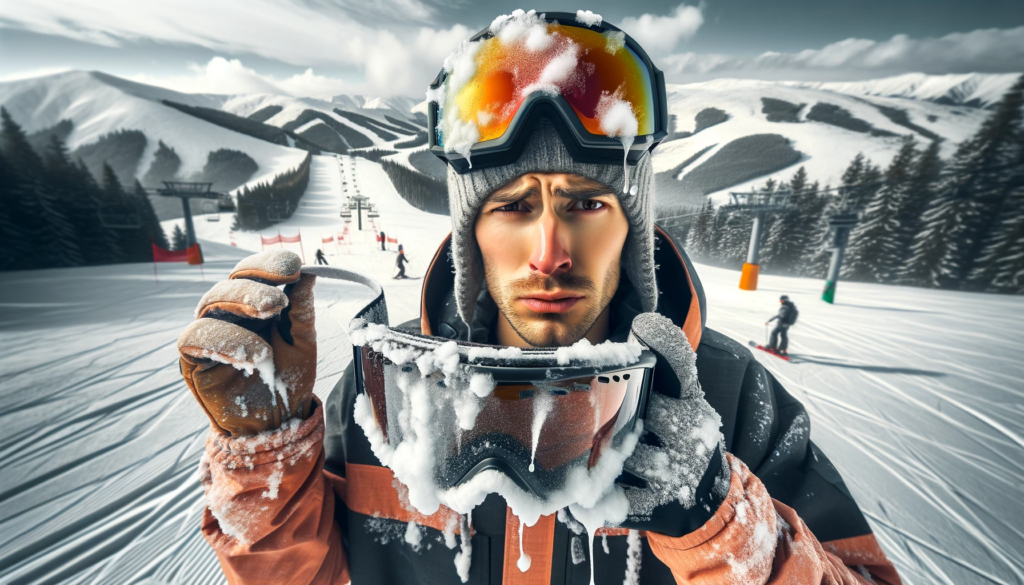 Using anti-fog products also has disadvantages in terms of protecting the goggle lenses.
In particular, when used on new goggles or lenses with special coatings, there is a risk that the anti-fog ingredients may deteriorate the coating.
It is only appropriate to use this product on goggles whose lenses have lost their anti-fog function or on goggles that have not been specially treated.
In addition, mist-type anti-fog products can scatter around when used, and if wiped off improperly, the lens can become cloudy.
To prevent this, it is best to choose a mousse type that does not scatter.
When using them, it is important to be careful not to damage the lenses and to choose the right type.
summary
 Preventing your goggles from fogging up is an essential part of enjoying snowboarding.
There is currently no technology that can completely eliminate fogging caused by temperature differences with the outside air, and even if there was, it would be expensive.
However, by fully understanding the causes of fogging and by choosing goggles that are less likely to fog and using anti-fog products appropriately, as described in this article, you can significantly reduce fogging and maintain a comfortable field of vision.
From gel-type anti-fog products to mousses, cloths, and careful lens care, try out different methods to find what works best for you.
To enjoy the thrill of snowboarding even more, be sure to choose anti-fog goggles and take care to maintain them properly.
この記事を監修した人
Kazu
OwlOptical代表。
かつては大手スノーボードメーカーに勤務し、現在もスノーボードインストラクターの資格を保有するスノーボード愛好者。2022年に楽天市場で自らのスノーボードショップを開業後、業界の古い商習慣に違和感を感じ、雪山の楽しさを伝えるために、高品質で適正価格の商品を提供するブランド「OWL optical」を立ち上げる。
 今日の支払いは¥0
 お試し期間
お試し期間
 お支払い
お支払い