
How do you decide on the length of your snowboard?
"I want to know how to choose the right snowboard for me."
For those of you who have such concerns, this article will explain the following:
- How to choose the right snowboard length
- Snowboards and recommended lengths for each style
- Best time to buy snowboards at a bargain price
By reading this article, you'll be able to find the perfect snowboard for you and also find out which season is the best time to buy.

How to choose the right snowboard length
There are three ways to choose the length of your snowboard:
- Determine length based on height, weight, and shoe size
- Place the board vertically on the ground
- Choose a board that is approximately 15cm longer than your height.
Determine length based on height, weight, and shoe size
Snowboards are designed with your height, weight, and shoe size in mind, so it's important to choose the right size based on these factors.
If beginners choose a snowboard of the right length, they will be able to improve their riding stability and progress more efficiently.
Below are some guidelines to help you choose the right snowboard length based on your height, weight, and shoe size.
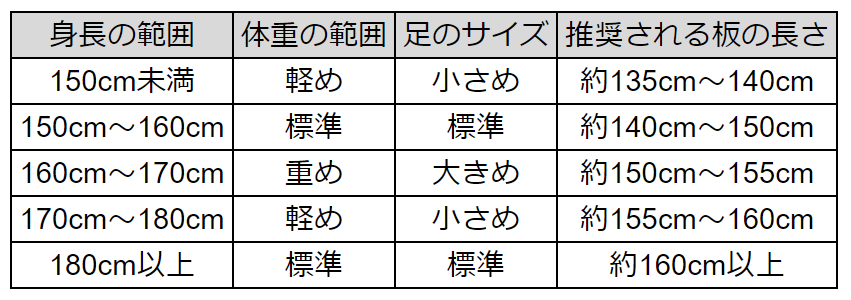
The above terms "light," "standard," and "heavy" refer to general weight categories within a height range, while "small," "standard," and "large" refer to general categories regarding foot size.
Ultimately, however, these guidelines will need to be adjusted depending on your riding style and comfort.
You also need to consider the hardness of the board depending on your weight; softer boards are recommended for lighter people, and harder boards are recommended for heavier people.
Place the board vertically on the ground
One way to do this is to hold a board vertically on the ground and choose one that is long enough so that the tip of the board reaches the space between your chin and nose.
This is a guideline for choosing the optimal board length, but it is only a guideline and may not suit everyone.
The reason for this is that there are subtle differences in the human skeleton and the way the body moves, so even if you follow these guidelines, you may still feel uncomfortable.
If this is the case, consider trying a different board or adjusting your stance or binding angle to reduce the discomfort.
Also, if you are purchasing a snowboard in a store, the sales floor will often display a guide to the appropriate board length for each person's height, so you can use this as a reference when making your selection.
Choose a board that is approximately 15cm longer than your height.
When choosing the length of a snowboard for beginners, one way to do this is to subtract about 15cm from your height.
However, this is not necessarily the optimal length, so it is important to start with a board that is 15cm shorter than your height and check how it feels to slide on.
When checking, it is important to note that if the skis are too short, stability will decrease when gliding at high speeds, so it depends on how you want to ski.
However, generally speaking, keeping the board a little shorter makes it easier for beginners to turn and control the board, which will help improve their skills.
Once you have gained some skill, you can increase your stability with a longer board.
How to choose the width (waist width) of your snowboard
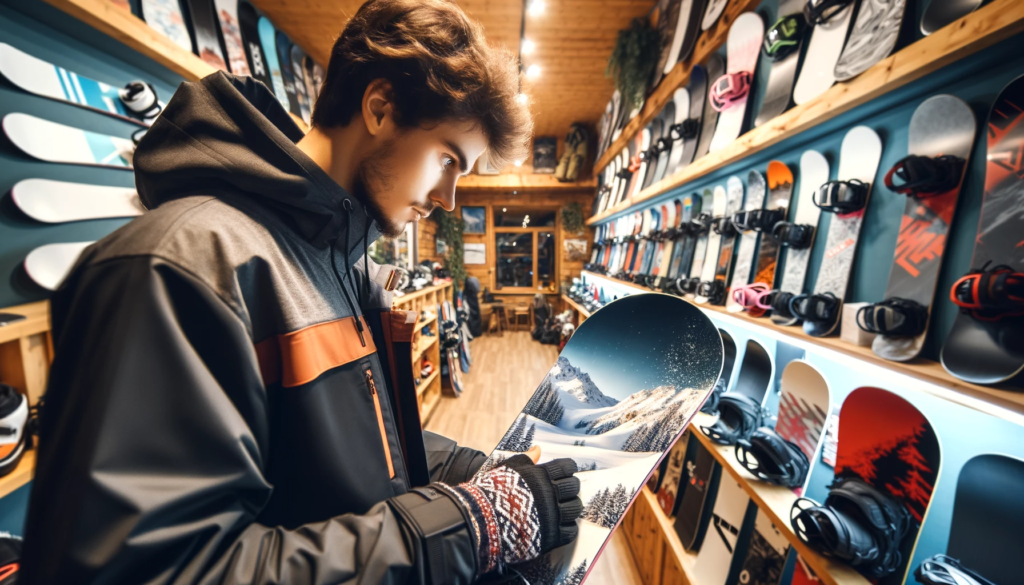
When choosing a snowboard, the width of the board (waist width) is just as important as the length.
The characteristics of thick and thin boards are summarized below.
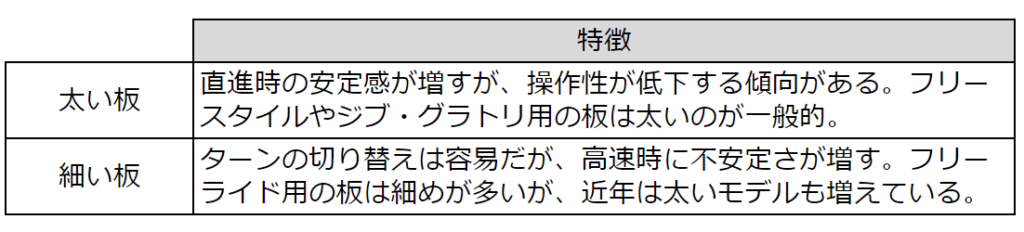 The optimal thickness also varies depending on the size of your feet.
The general guideline is to narrow the boot size by about 1cm, but ideally you should adjust it according to your body type and preferences.
The thickness of the board affects how you glide and your control, so it's important to choose one that suits your foot size and the style of gliding you want to do.
How to choose the hardness of a snowboard
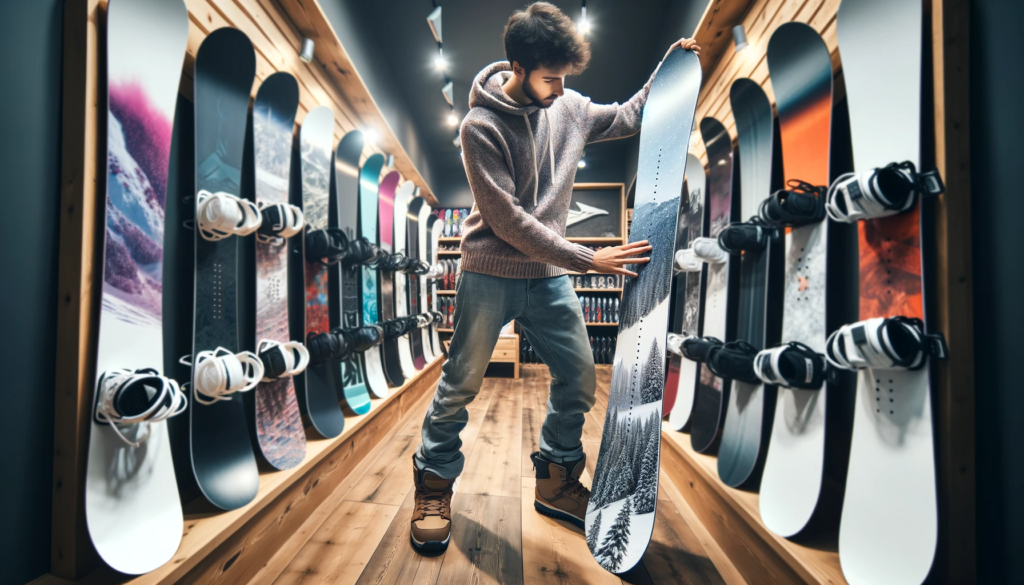
The stiffness (flex) of a snowboard is related to how easily it bends (flex) and twists (torsion), and greatly affects how it slides and how easy it is to maneuver.
To help you choose the hardness of your snowboard, we have summarized the characteristics of soft and hard boards below.
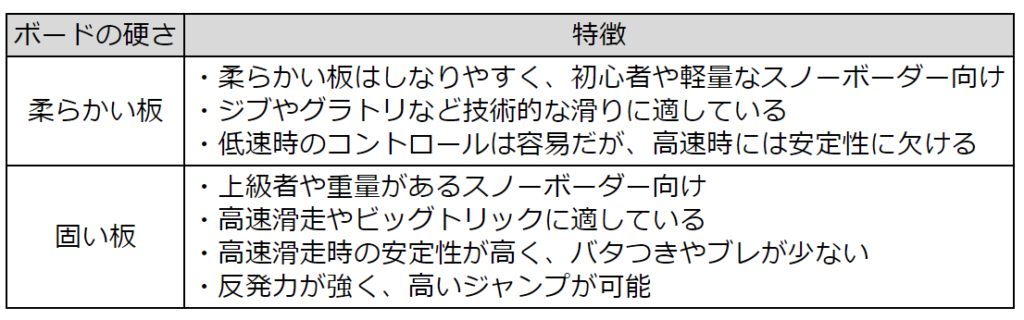
The hardness of a snowboard should be chosen according to the snowboarder's skill level, weight, and style of riding.
Beginners typically choose softer boards and then move on to harder boards once they have gained experience.
The pros and cons of different snowboard lengths
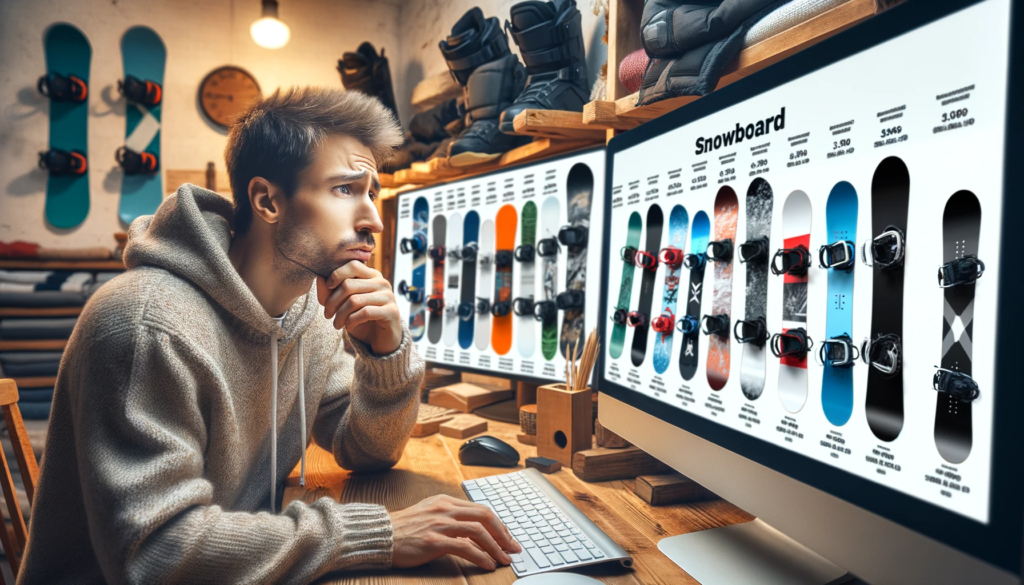
The pros and cons of long boards
We will explain the advantages and disadvantages of long snowboards.
merit
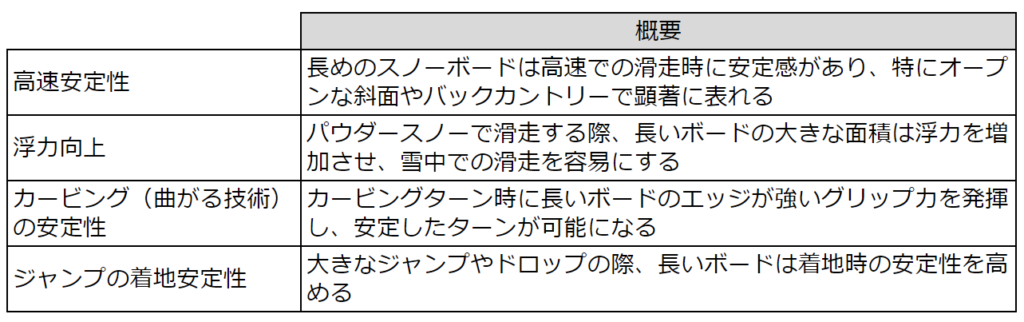
Disadvantages
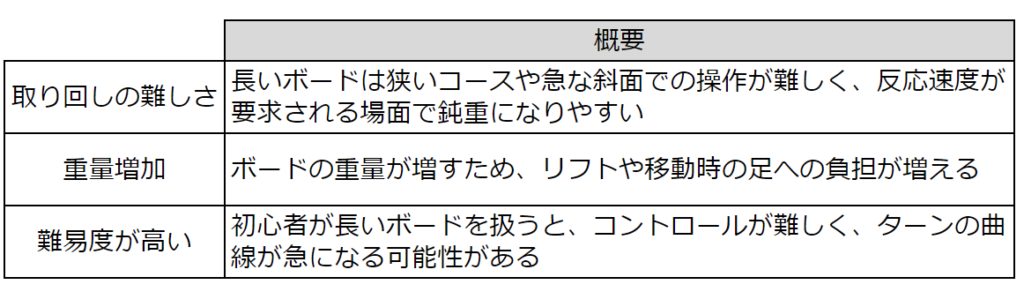
In conclusion, long snowboards are advantageous when sliding at high speeds, but they make it difficult to perform small tricks and are less maneuverable.
The pros and cons of short boards
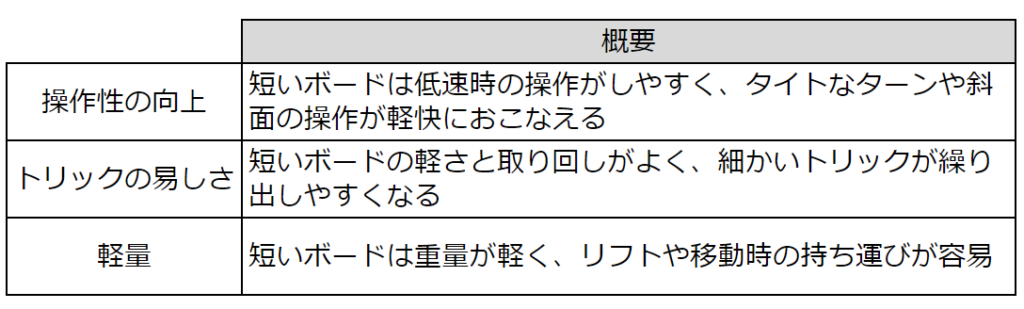
We will explain the advantages and disadvantages of short snowboards.
merit
Disadvantages
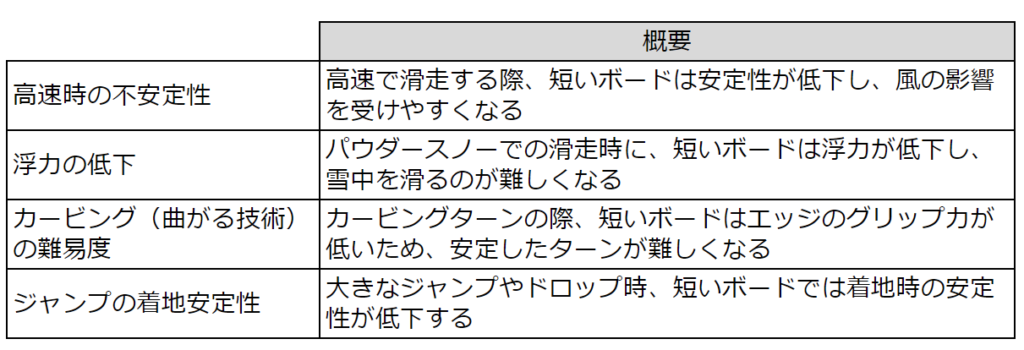
In conclusion, short snowboards are good for nimble maneuvering and tricks, but they have disadvantages when it comes to high-speed sliding, buoyancy in powder, and carving turns.
Keeping these characteristics in mind, choose the board length that best suits your skill level and riding style.

Snowboards and recommended lengths for each style
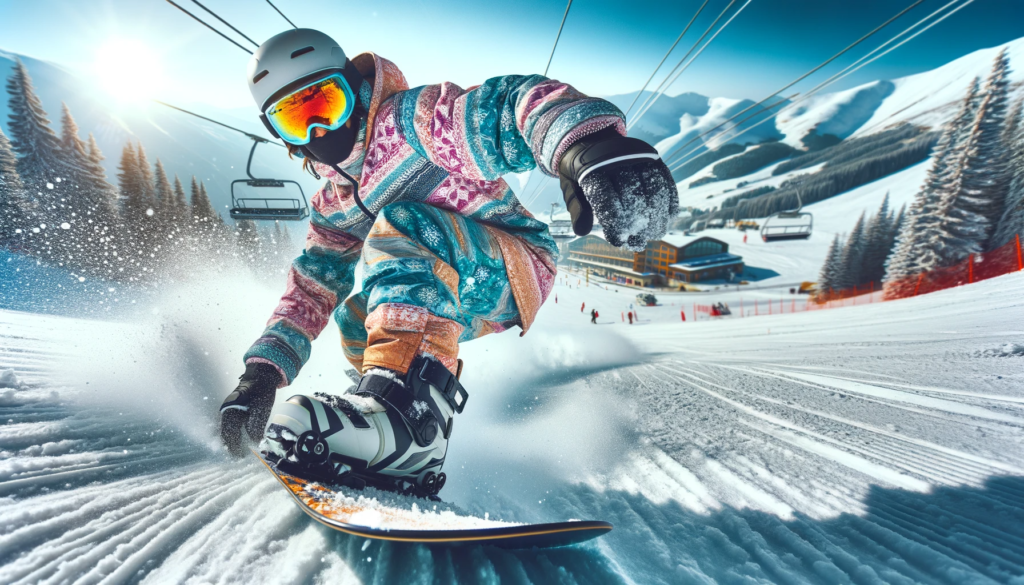
Freestyle
First of all, freestyle is a style of snowboarding that offers particularly high freedom and combines techniques such as jumps, tricks, grinds, and spins.
Freestyle boards are the basic form of snowboarding, and are recommended for beginners because they are versatile and can be used for a variety of styles.
In general, it is recommended to choose a board that is the appropriate length for your height and get used to snowboarding.
Below we have summarized how to choose a snowboard for freestyle boarding.
Freestyle boards
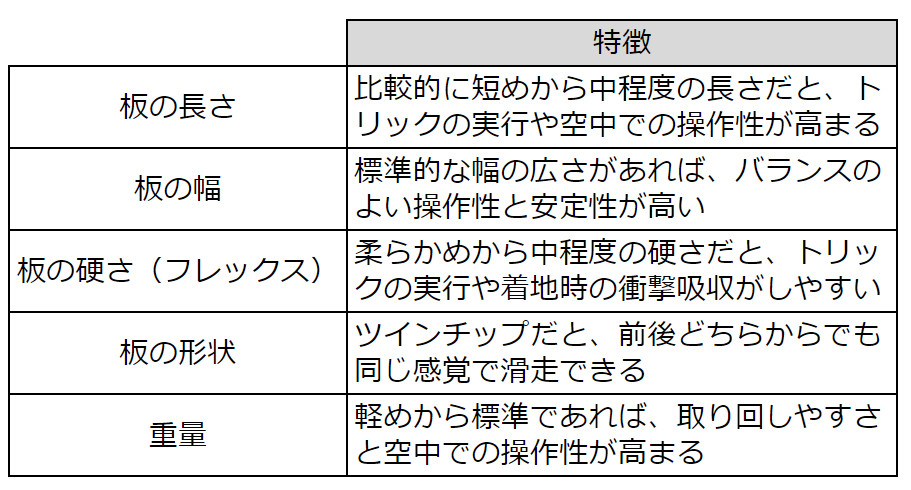
Once you get used to snowboarding, you can consider switching to a board that suits your style, which will help you improve even further.
Therefore, freestyle boards are the starting point for expanding your enjoyment of snowboarding.
Alpine board
Alpine skiing is a style that emphasizes speed and carving.
Below we have summarized how to choose snowboards for alpine boarding.
Alpine skis
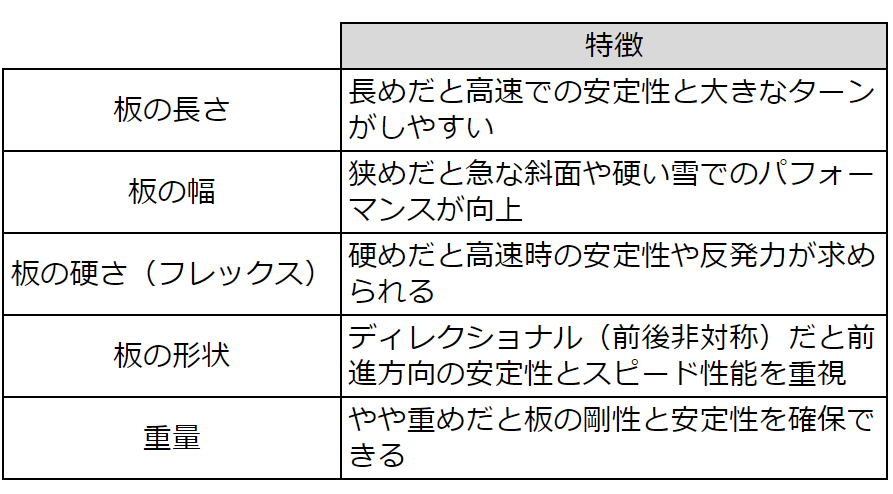
When you first start alpine snowboarding, it's recommended that you choose a shorter board.
Shorter boards are easier to ride and allow for more precise movements.
On the other hand, once you get used to snowboarding, you may want to consider trying a longer board.
Longer boards offer greater stability, allowing you to enjoy the high-speed alpine skiing that is unique to alpine skiing.
If you're not used to it, it's a good idea to get the basics down with a short board and then move up to a longer board as your skills improve.
Jib Ground Trick
Jibs are a style of snowboarding where you slide over obstacles (rails, boxes, other structures) while ground tricks are spins and flips.
Below we have summarized how to choose a snowboard specifically for jibs and freestyle tricks.
Jib board
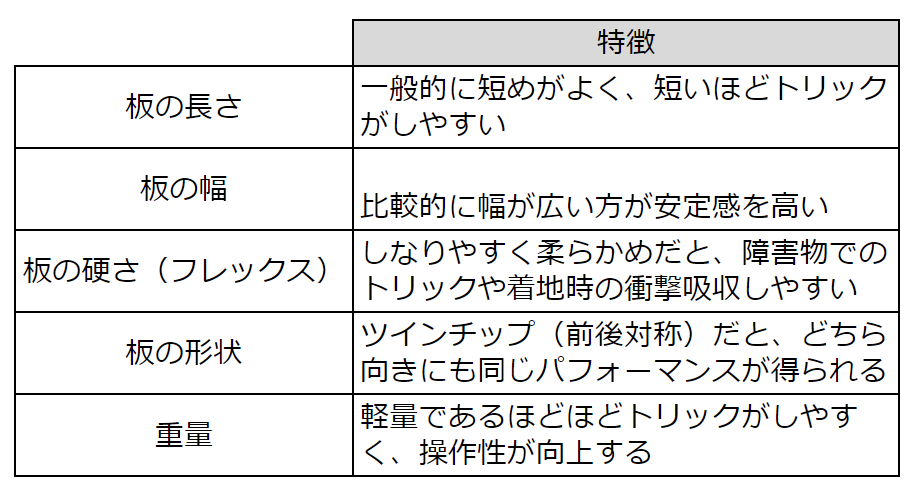
Gratori board
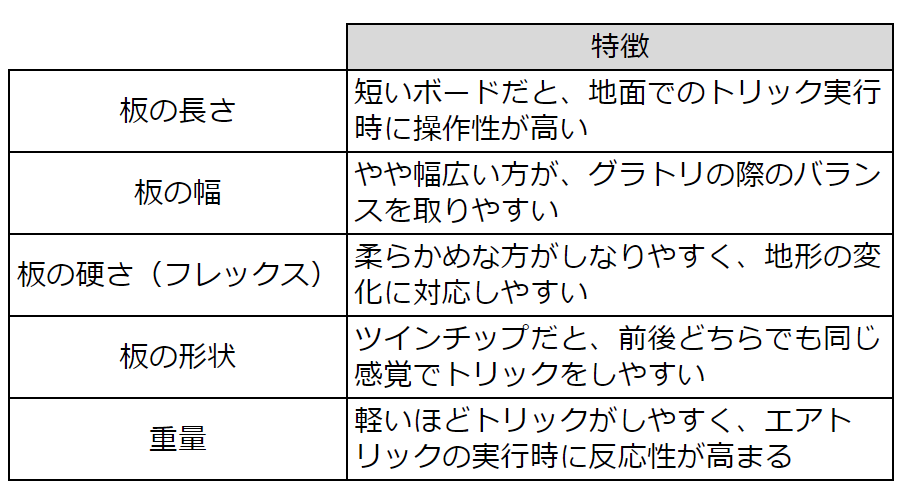
When it comes to jibs and freestyle tricks, the shortness and flexibility of the board are important factors.
However, stability and rebound strength must also be considered.
It's important to consider these factors and choose a board that suits your style.
Also, beginners should focus on ease of handling and then try more technical boards once they have gained experience.
Backcountry (powder board)
Backcountry (powder boarding) is a style of snowboarding that allows you to enjoy snowboarding in deep snow (powder snow).
Below we have summarized how to choose a snowboard for backcountry use.
Backcountry boards
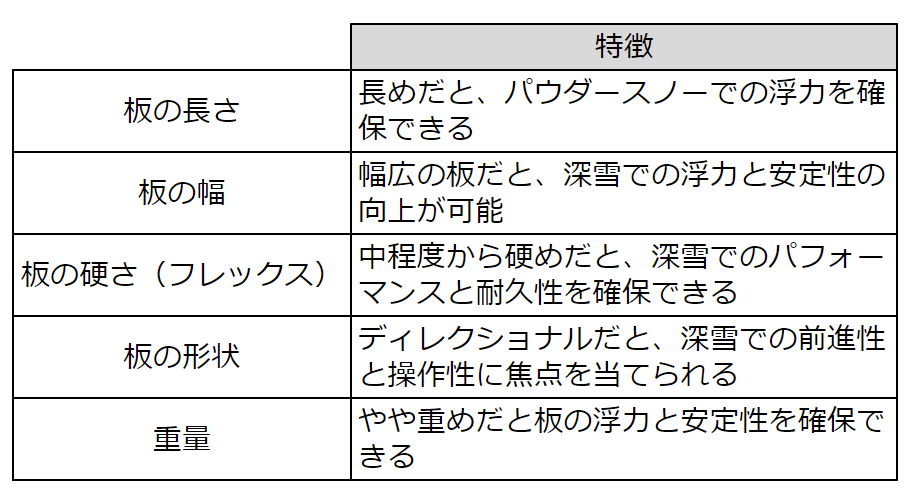
It is important to choose a backcountry ski that matches the characteristics of the area where you will be skiing.
By choosing longer boards for wide powder runs and shorter boards for tree runs, you can ski in a way that suits each environment.
All-around boards can also be used in powder runs, but are more effective in more specialized backcountry terrain.
Best time to buy snowboards at a bargain price
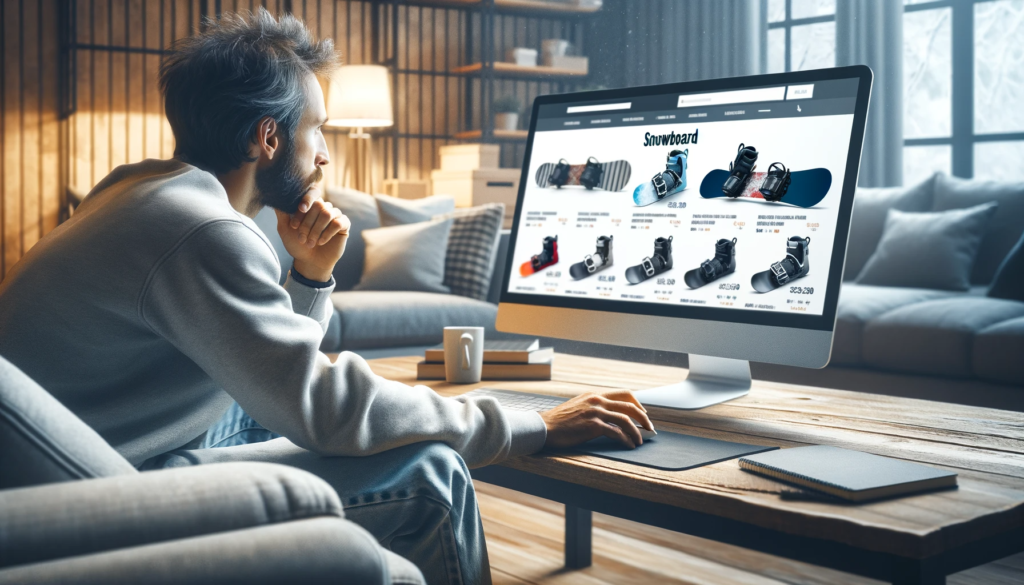
When purchasing a snowboard, the average price varies greatly depending on the product, making it difficult to give a clear answer.
For example, there are three-piece sets of boots, skis, and bindings that cost around 20,000 yen, while there are also more expensive skis that cost 100,000 yen just for the skis.
Since snowboarding is a winter sport, demand for related products is lower in the summer, so you're more likely to be able to buy it cheaper in the summer.
Therefore, it is recommended that beginners to snowboarding purchase a board in the summer.
Older models tend to offer good value for money, with some even being discounted to nearly half price.
However, when purchasing a snowboard, it is important to choose a board that suits your style and level, not just the price.
Find the best board for you while choosing the best time to buy at a cost-effective price.
summary
We've explained how to choose the right length for your snowboard, but this is only a guideline, so it's important to make your final choice based on your riding style and comfort.
However, shorter boards make it easier for beginners to turn and maneuver, which will help improve their skills, so if you don't have much experience, you may want to choose a shorter board.
As you gain experience, choosing a length that suits your style will allow you to improve in a fun and efficient way, allowing you to enjoy your snowboarding life to the fullest.